Inquiry 2026 · Convene · Shanghai
شنغهاي
The Future of Expression
West Bund Art & Design, Shanghai
This presentation took place at West Bund Art & Design in November 2026.
- Dates
- 10–15 November 2026
- Place
- West Bund Art Center, Shanghai
- Part of
- West Bund Art & Design 2026
- Conversation
- Took place during the fair
Bringing together artistic experimentation, emerging technologies and interdisciplinary inquiry, The Future of Expression looks at how new technologies are changing the ways we think, create, communicate and construct meaning. As artificial intelligence enters writing, memory and the creative process, it raises new questions about authorship, identity, and the relationship between human imagination and machine intelligence.
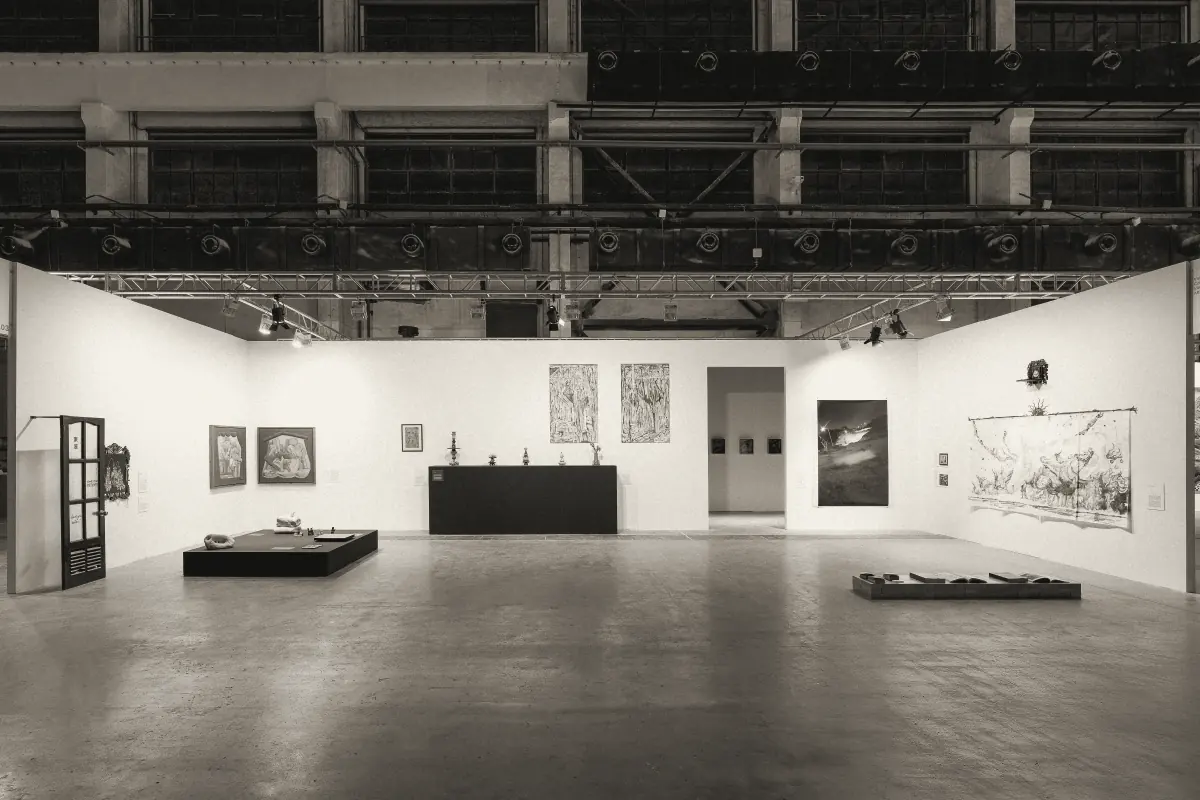
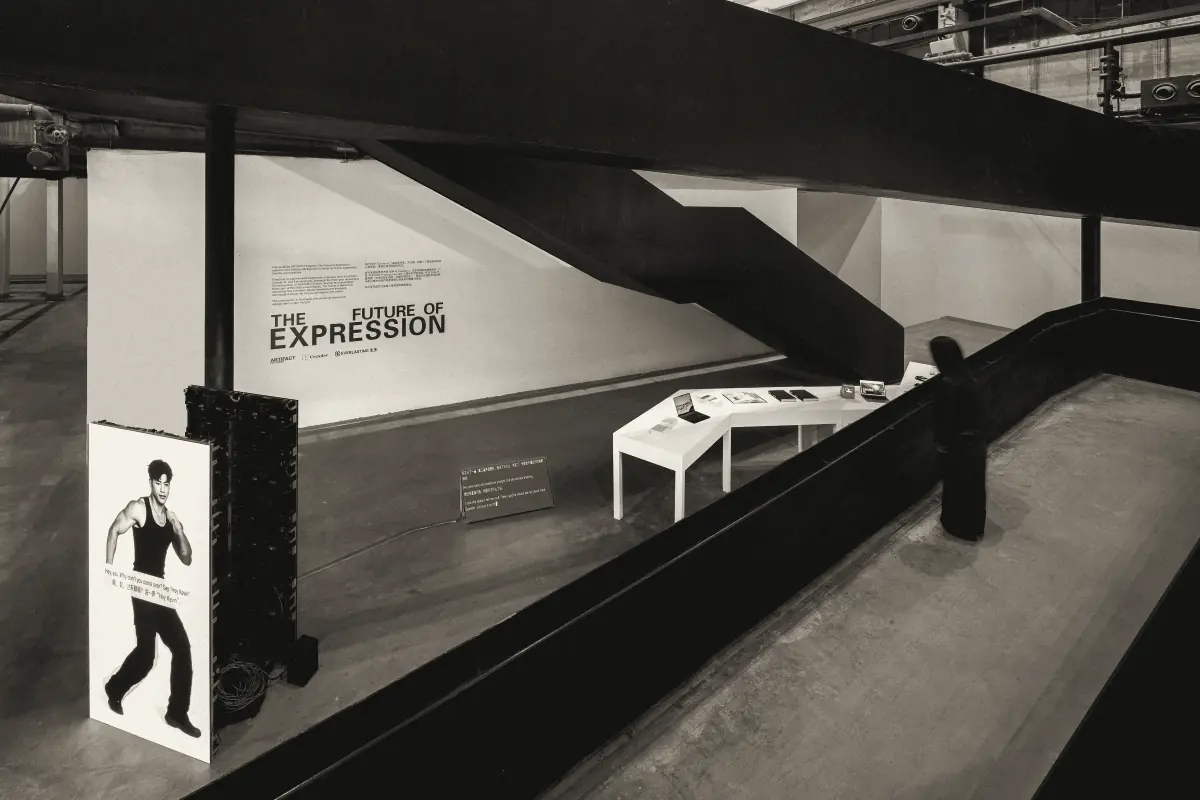
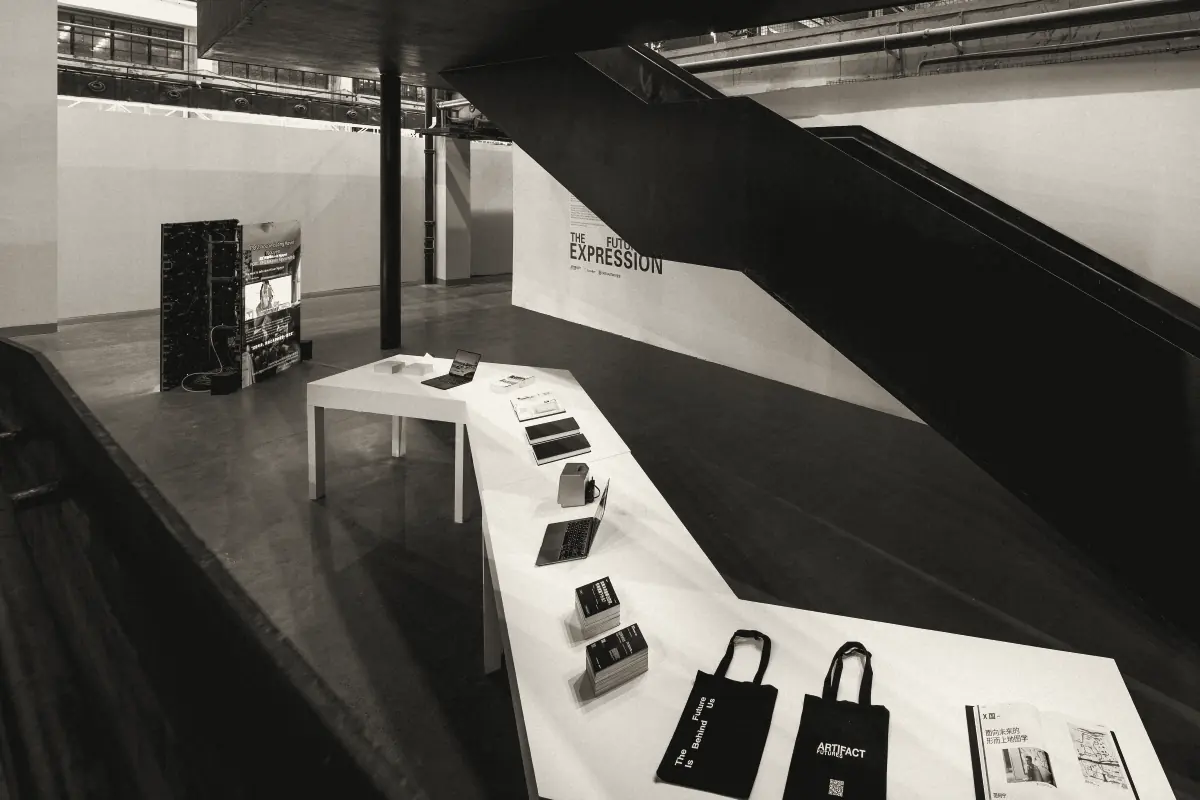
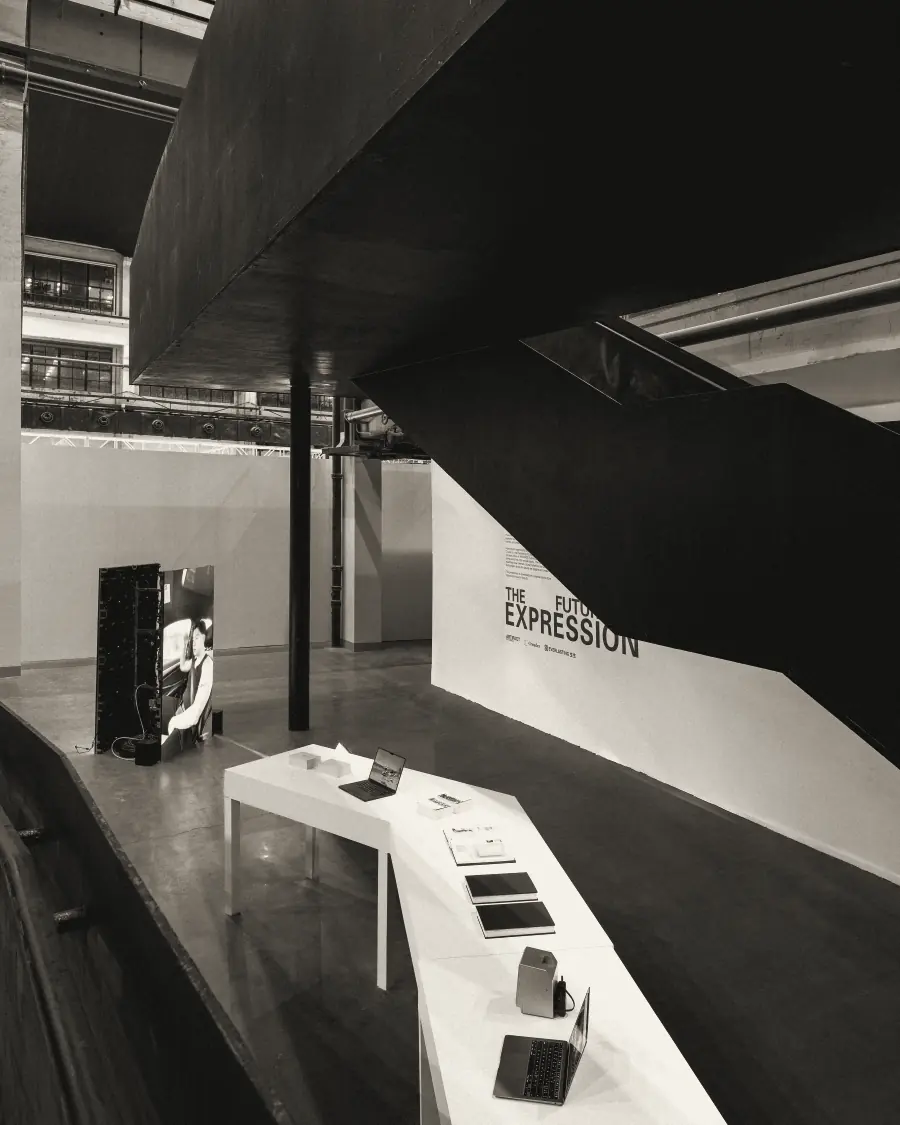
Rather than treating technology as a tool for producing content, the exhibition asks how it might widen the possibilities of cultural expression, make the invisible processes of thinking and creation visible, and open new forms of interaction and collective experience. One booth at West Bund Art Center holds three things: a new work, the Journal in two forms, and a conversation.
Convene · London San Francisco Shanghai Abu Dhabi
The 2026 InquiryIn the booth
في الجناحAn experimental collaboration · Koa Pham × Creader × Everlasting AI
Kevin Nguyen
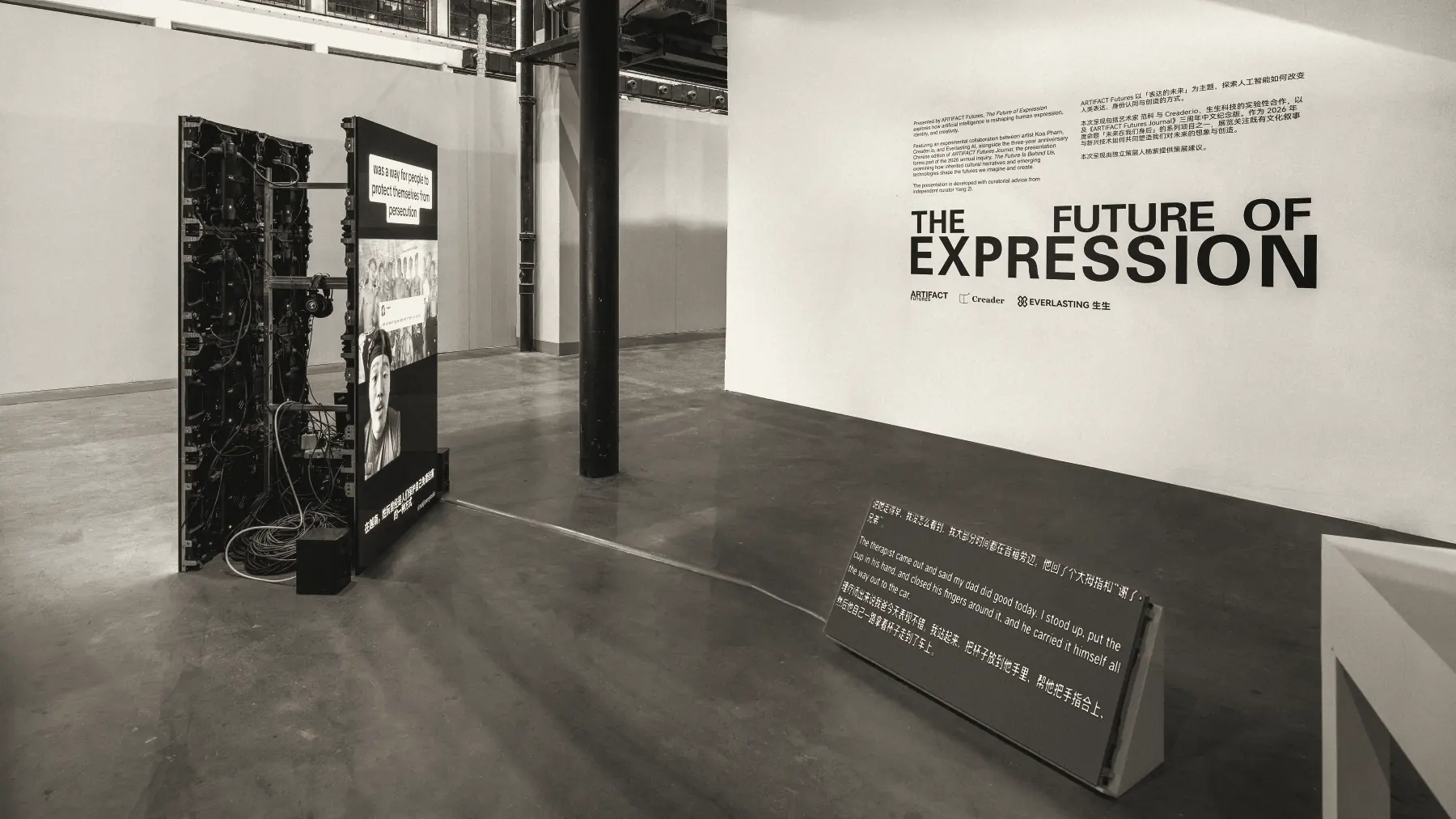
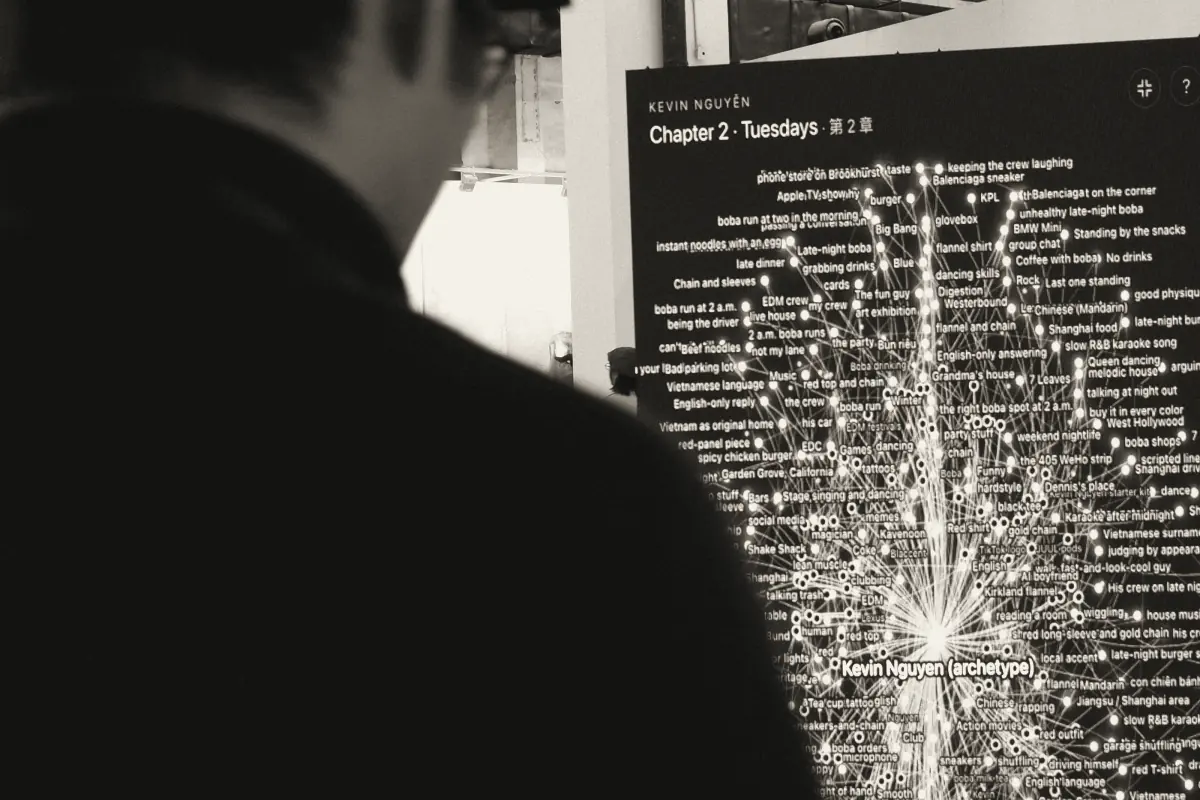
A new work by the artist Koa Pham with two of the Builders we back, developed with curatorial advice from the independent curator Yang Zi. Kevin Nguyen is a fictional character who grew out of an internet meme that has circulated widely in Asian diasporic communities since the late 2010s: a stereotype of Vietnamese-American masculinity, built and repeated collectively through online images, anecdotes and cultural references. By giving this familiar yet fictional figure new forms of presence and expression, the work asks how collective imagination shapes identity, and how technology might let a character defined by others answer back.
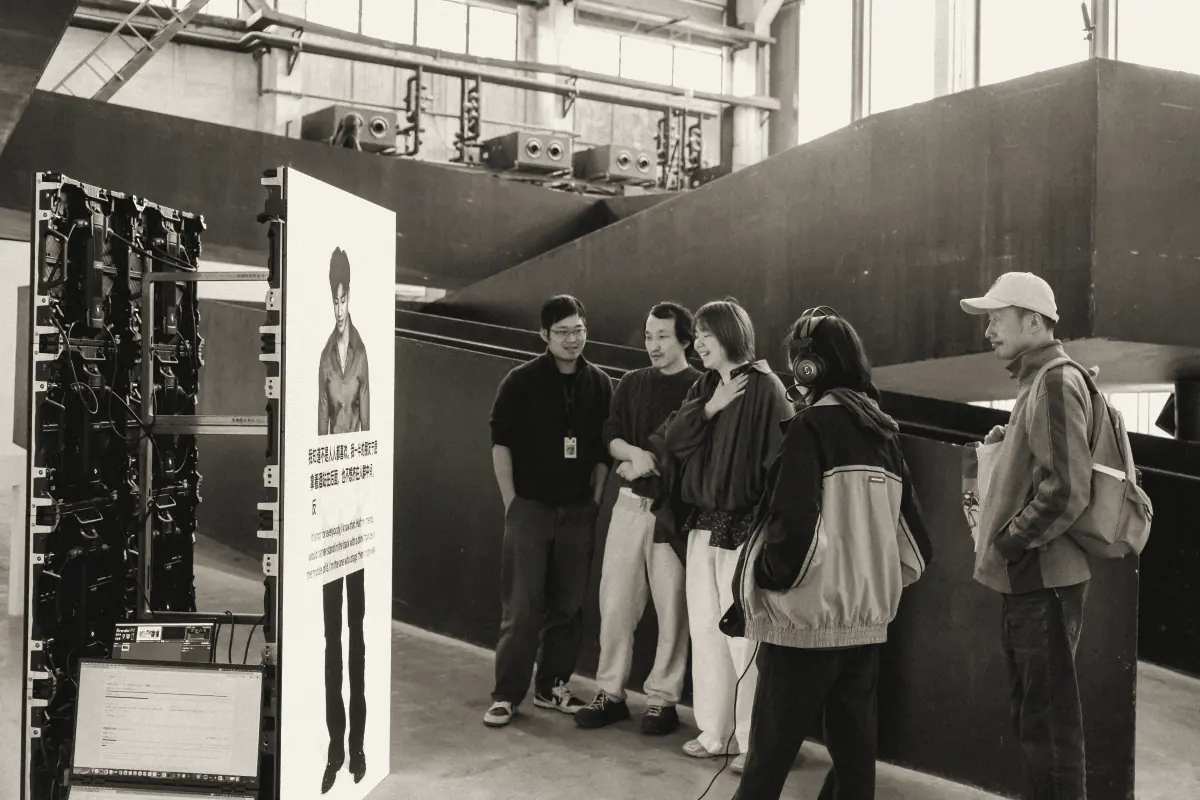
- 01Chat with Kevin Nguyen (2026). Everlasting AI turns the archive of online material into an interactive digital figure. Visitors talk with Kevin, while the archive around him shows the collective imagination he comes from. He may embrace, reject or question the stereotypes attached to him, and each conversation becomes part of his memory.
- 02The Oversharing Kevin Nguyen (2026). Kevin as an aspiring writer who keeps developing story ideas from his imagined experiences, romantic encounters and memories. With Creader he writes plots in English and Chinese, shown as a stream of text over moving images of water.
Visitors meet Kevin, read his unfinished stories, and decide whether to develop, transform or appropriate them. The two works ask how stereotypes are constructed, circulated and reinforced, including within the communities they represent, and where the lines fall between an idea and a piece of writing, between authorship and appropriation.
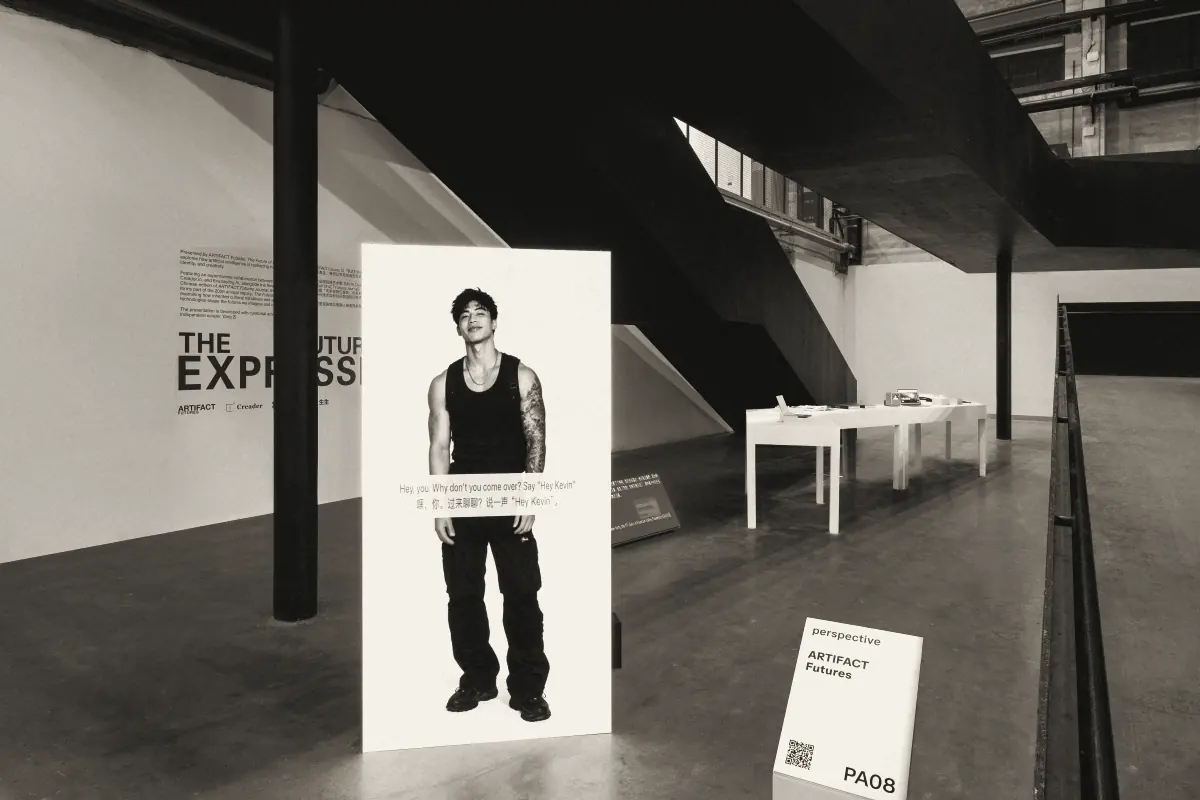
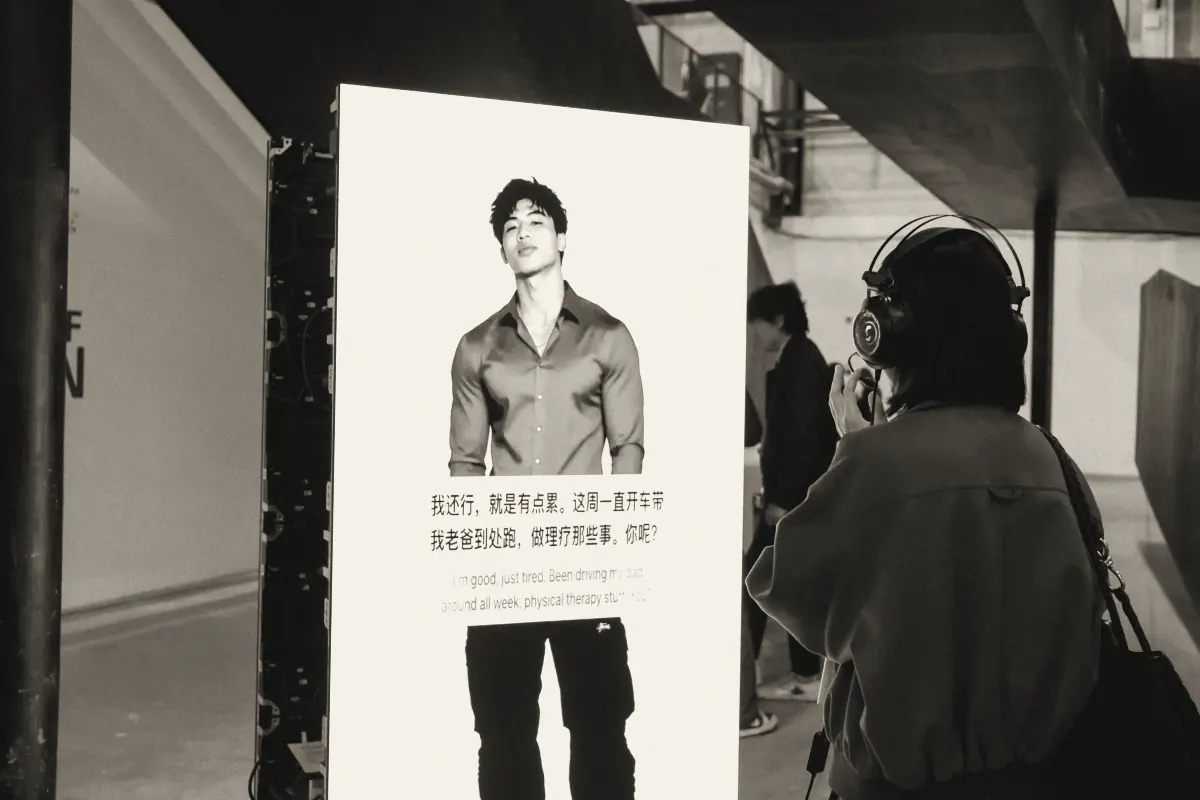
The booth before opening, and a visitor in conversation with Kevin Made by
Koa Pham
Artist · London
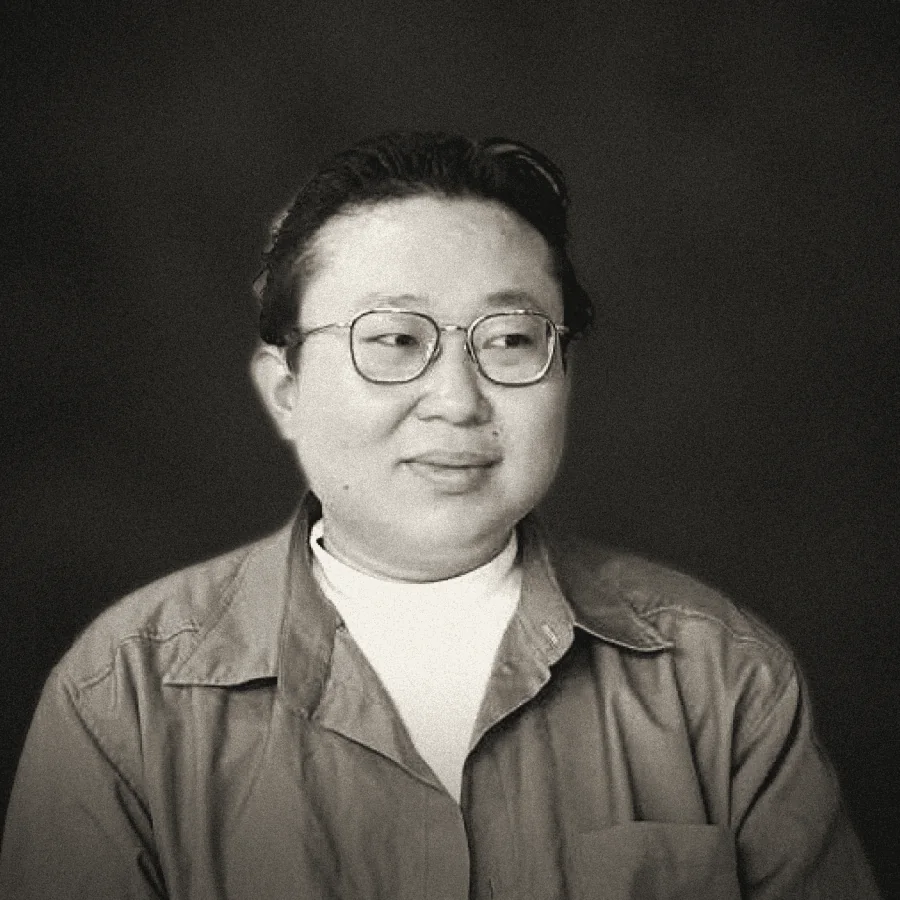
Sculpture, painting, text and moving image drawn from modern Vietnamese literature, cinema, personal memory and oral histories. Born in Ho Chi Minh City in 1993, he showed with VAC at West Bund in 2025 and wrote for Issue No. 2 of the Journal.
koaph.am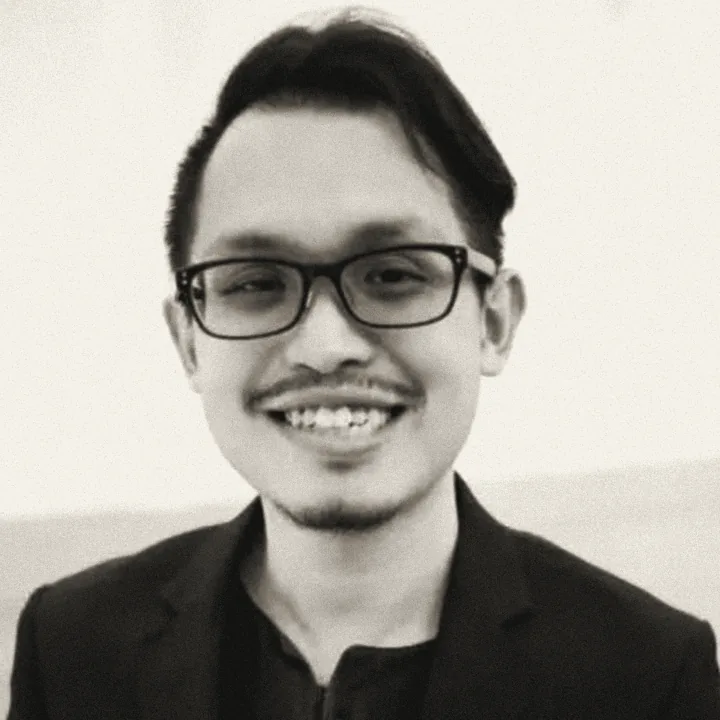
Yang Zi
Curatorial advice · Independent curator
Independent curator and researcher in Beijing, formerly at UCCA, who studies how belief and philosophy shaped Chinese contemporary art.
Council profile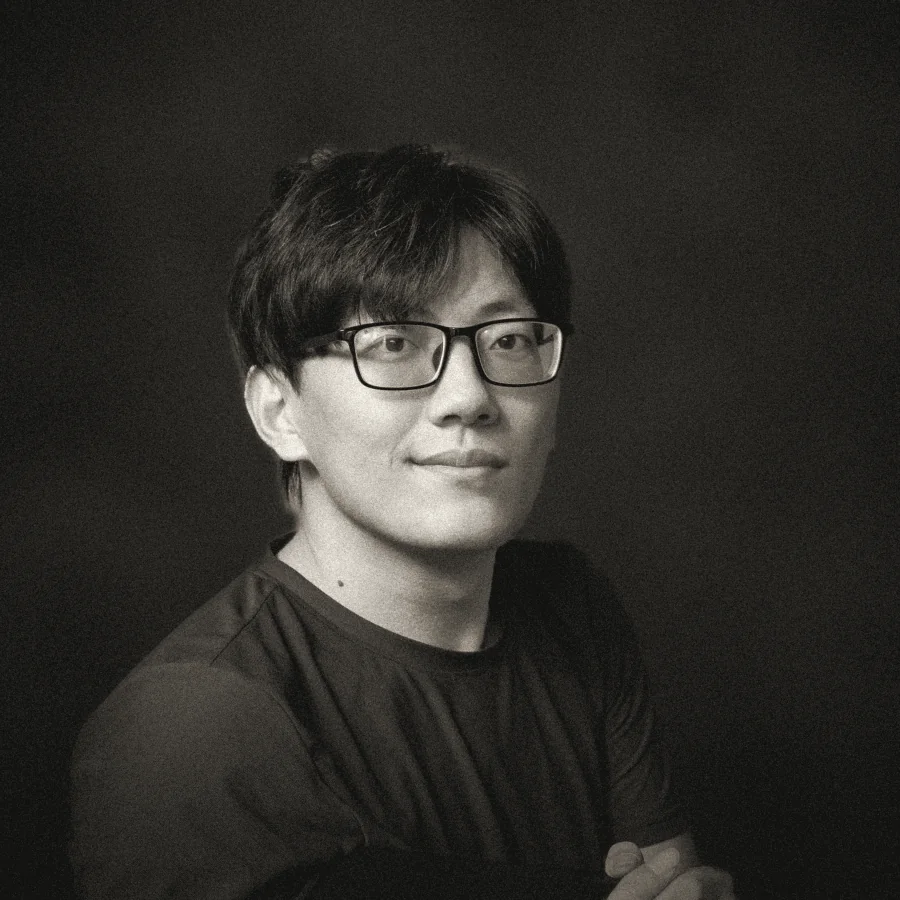
Liu Xiaoben
Founder · Everlasting AI
Builds AI-powered digital twins from your memories, experiences, and life context, creating an evolving representation of who you are.
About the founder
Timothy Shen
Founder · Creader
An AI-powered writing companion that helps you map, organize, and develop your thoughts into structured writing.
About the founder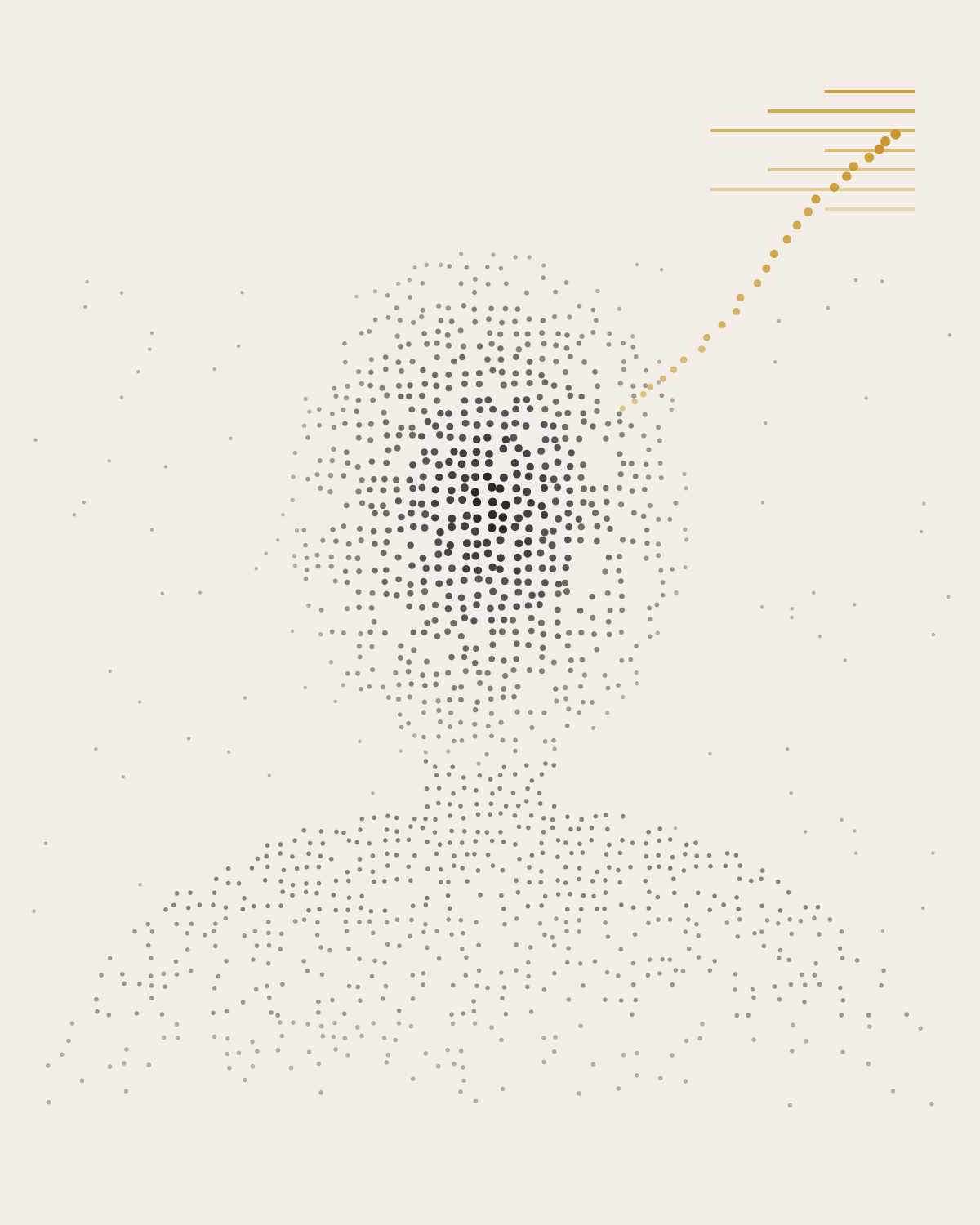
Kevin Nguyen
A character made of many
Drawn in dots, as the dome and the majlis are: a figure still gathering out of a collective archive.
Three years of publishing
The Journal, in print and on screen
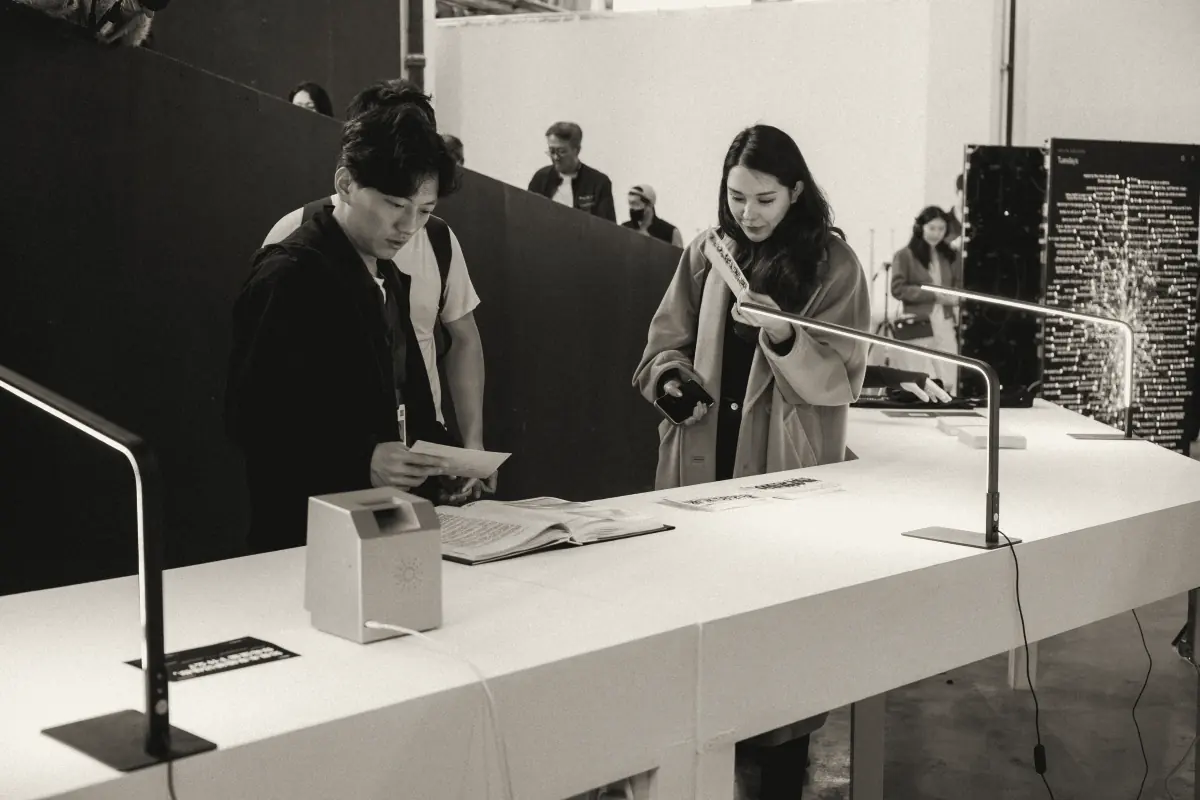
The exhibition marks the release of the Chinese-language third-anniversary edition of the ARTIFACT Futures Journal, which gathers material from the first two issues with a reflection on the road since 2023. Alongside it, the newly built digital edition of the Journal: a new way of moving through and connecting the Journal’s ideas, images and knowledge beyond the printed page.
Together, the two editions follow a question the Journal has carried from the start: how the forms in which knowledge is recorded, organised and shared shape the way we read, understand and express.
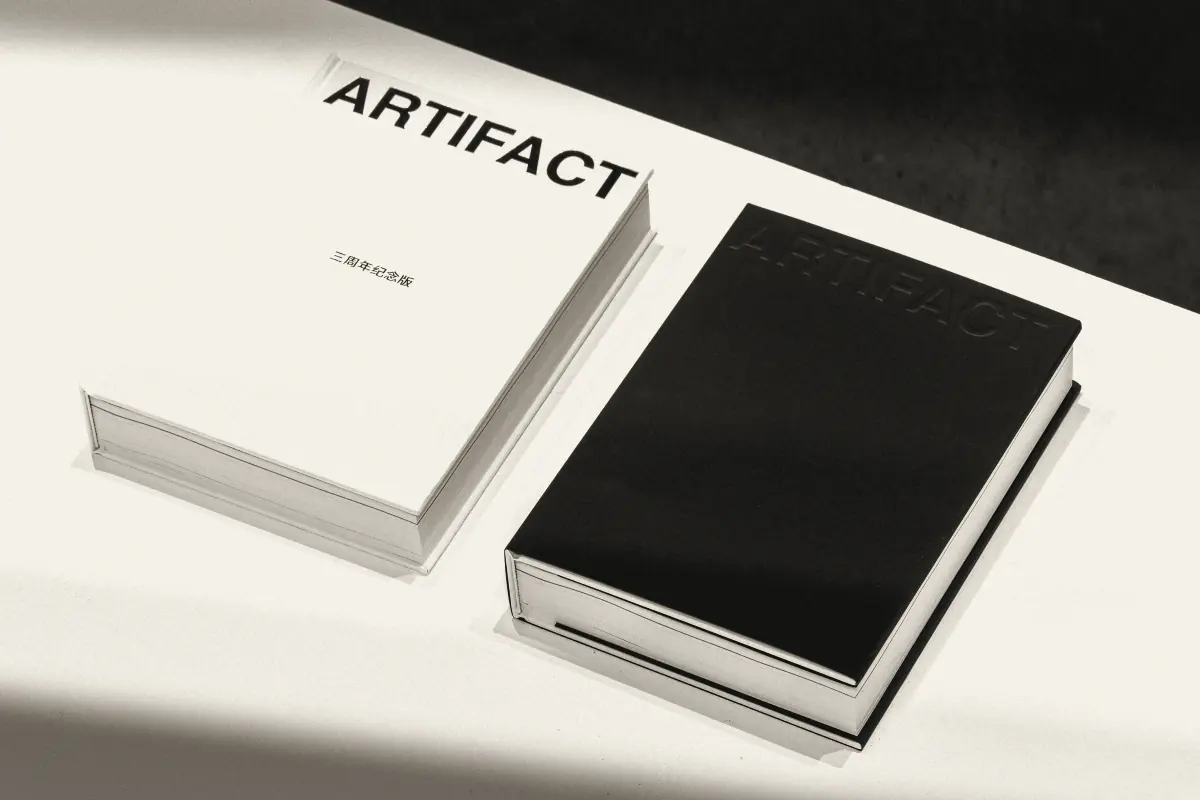
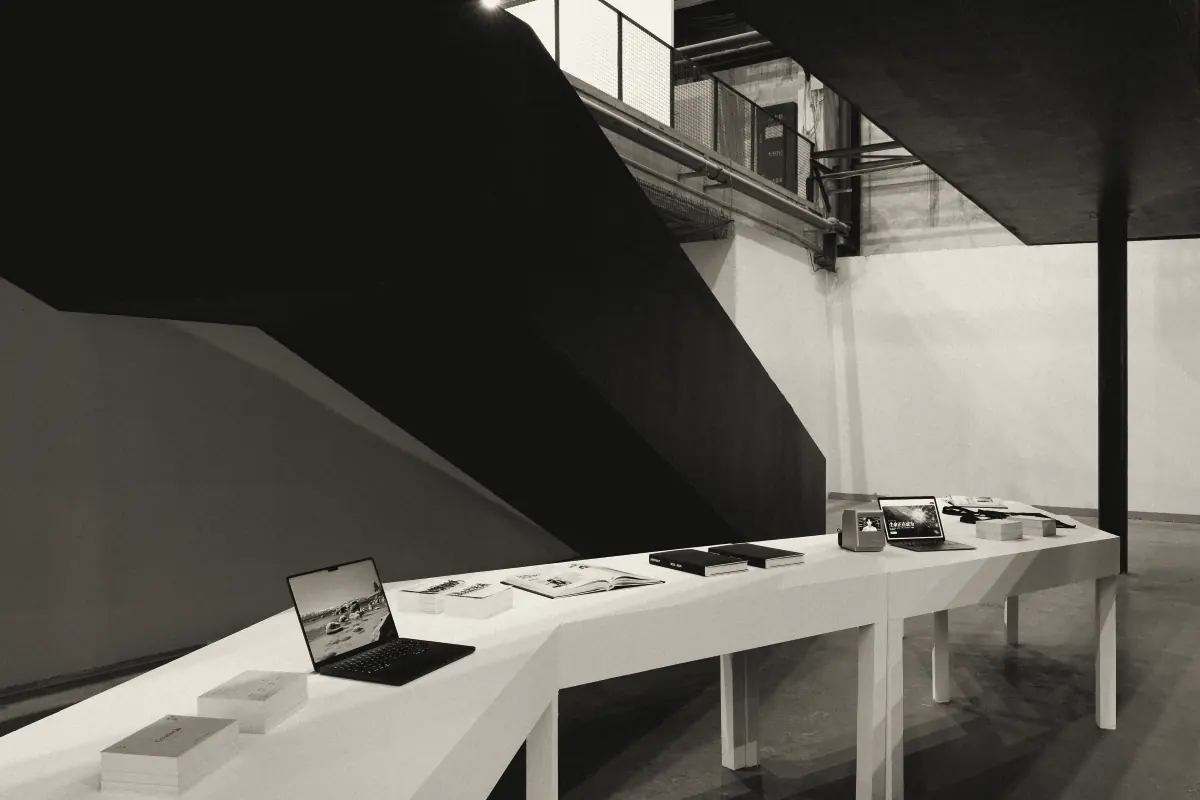
The third-anniversary edition in Chinese, and the Journal on the long table Public conversation
The Future of Expression
A public conversation at West Bund Art & Design, convened by ARTIFACT Futures. From AI as a partner in thinking and writing to the keeping and rebuilding of memory, from digital interfaces to new kinds of artistic experience, the speakers ask how technological experiment turns into cultural practice.
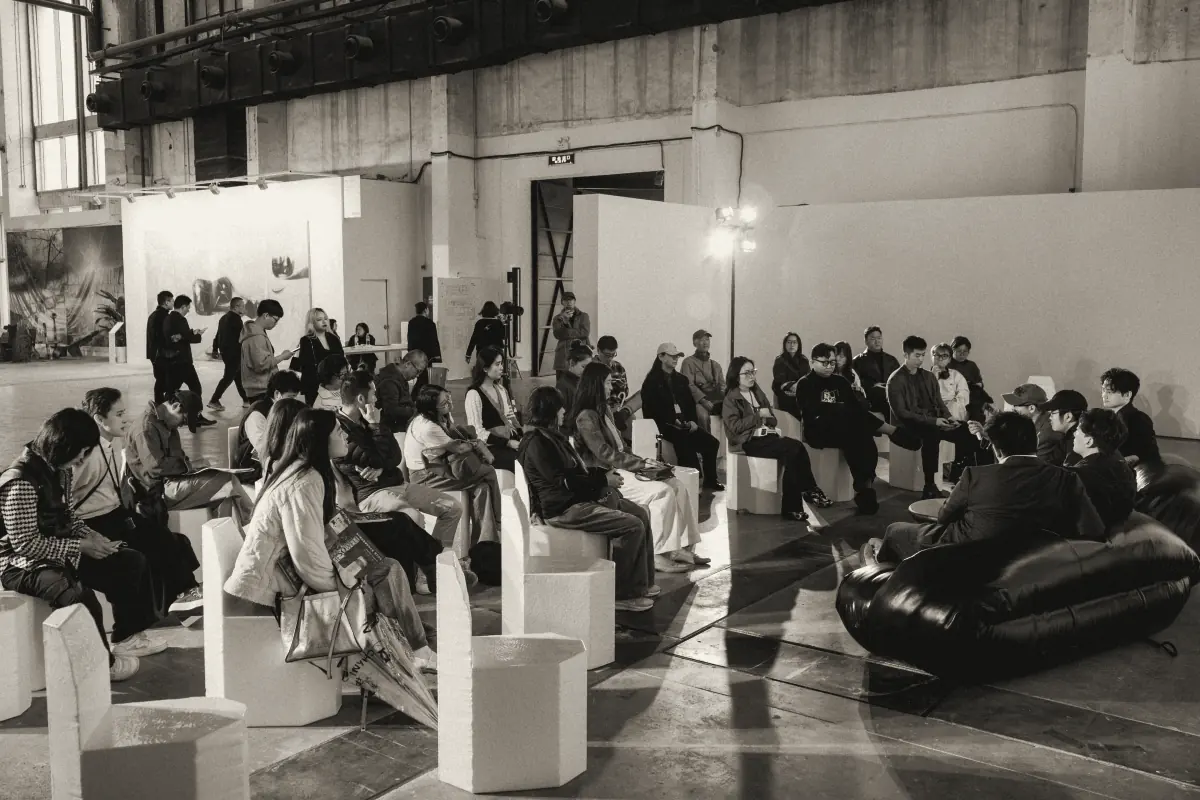
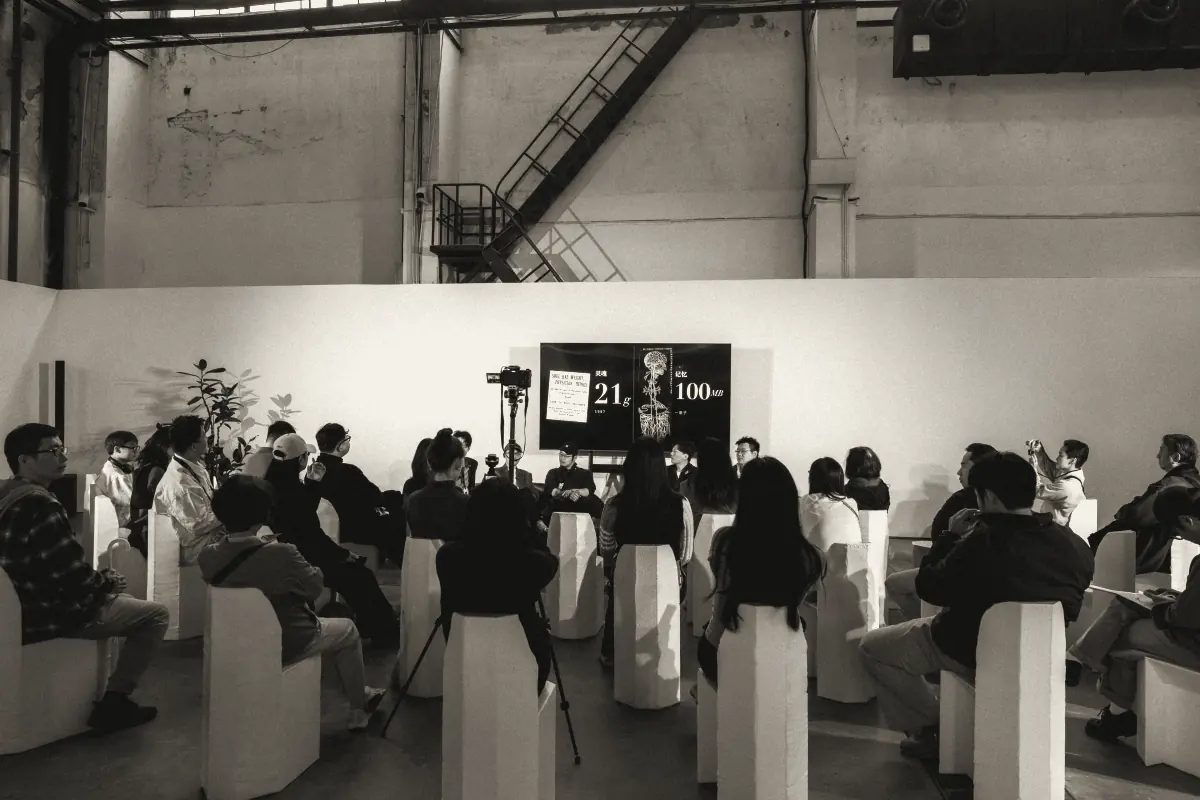
The public conversation, seen from the audience Speakers
- Yang ZiIndependent curator · Council
- Timothy ShenCreader
- Liu XiaobenEverlasting AI
- Henry YuanVenture Partner, ARTIFACT Futures
During the fair
خلال أيام المعرض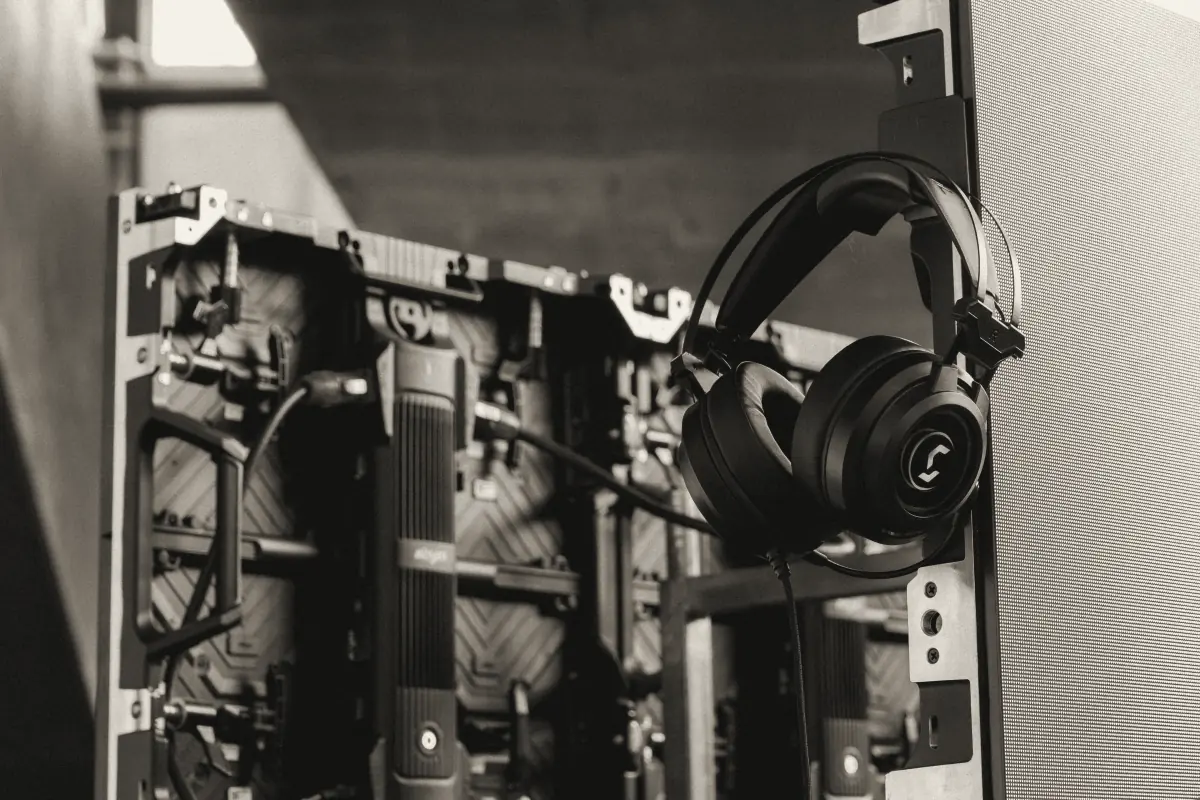
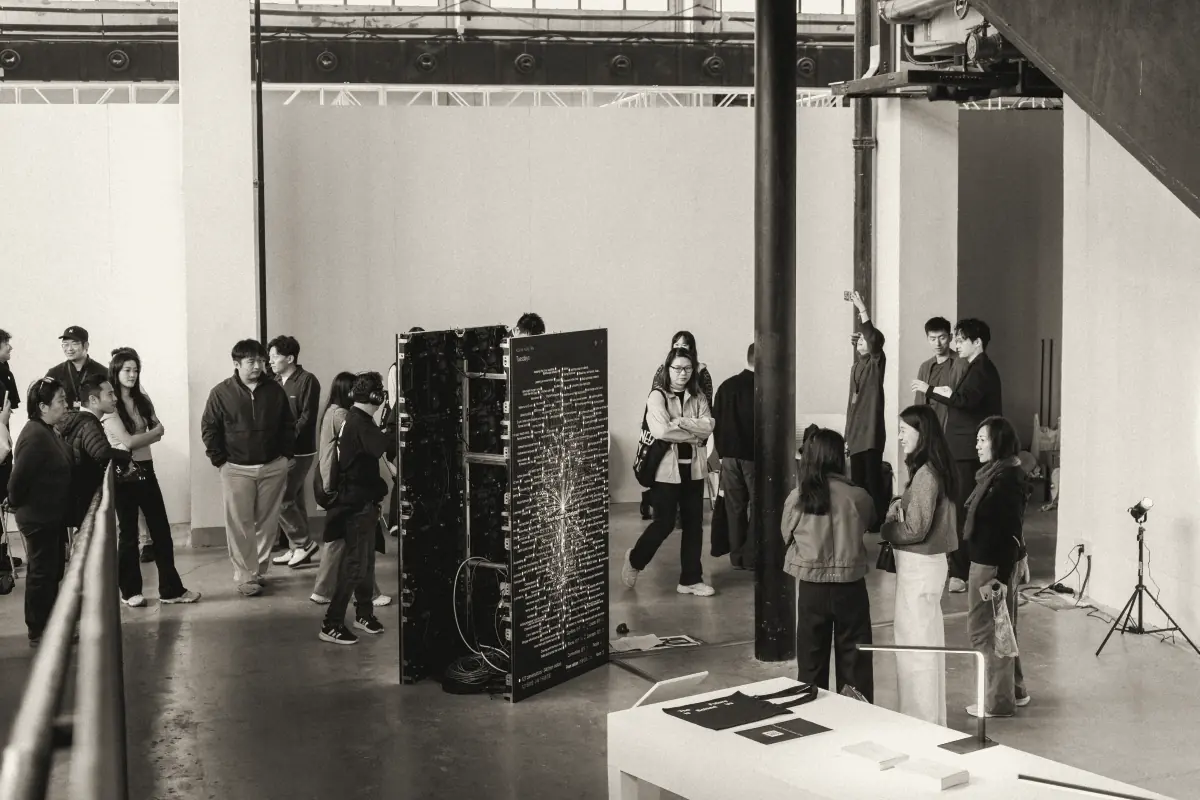
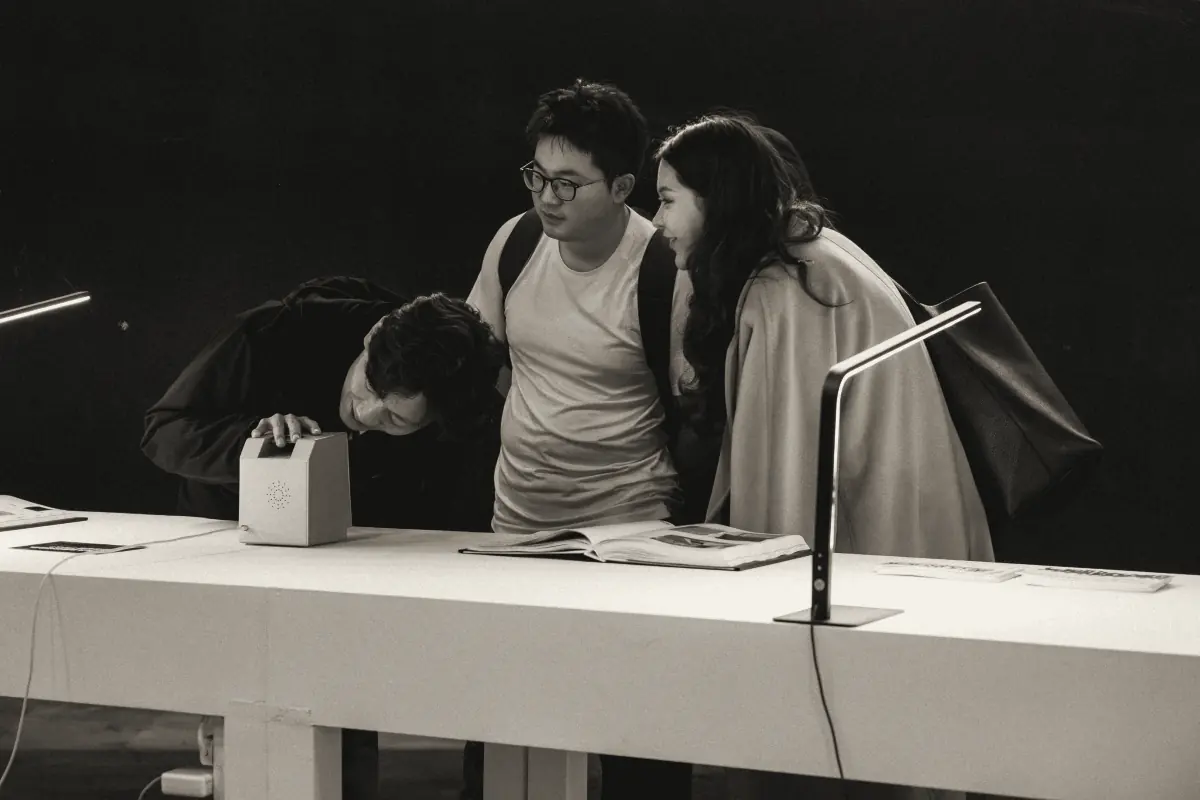
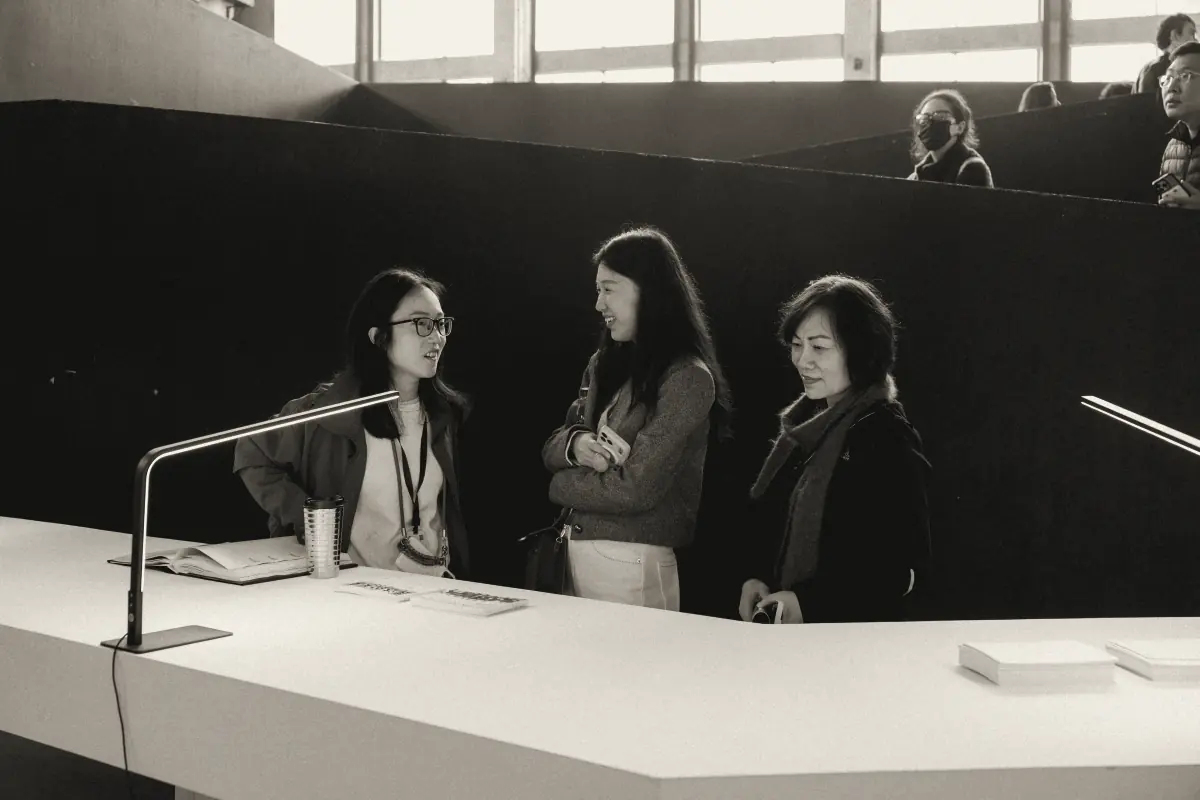
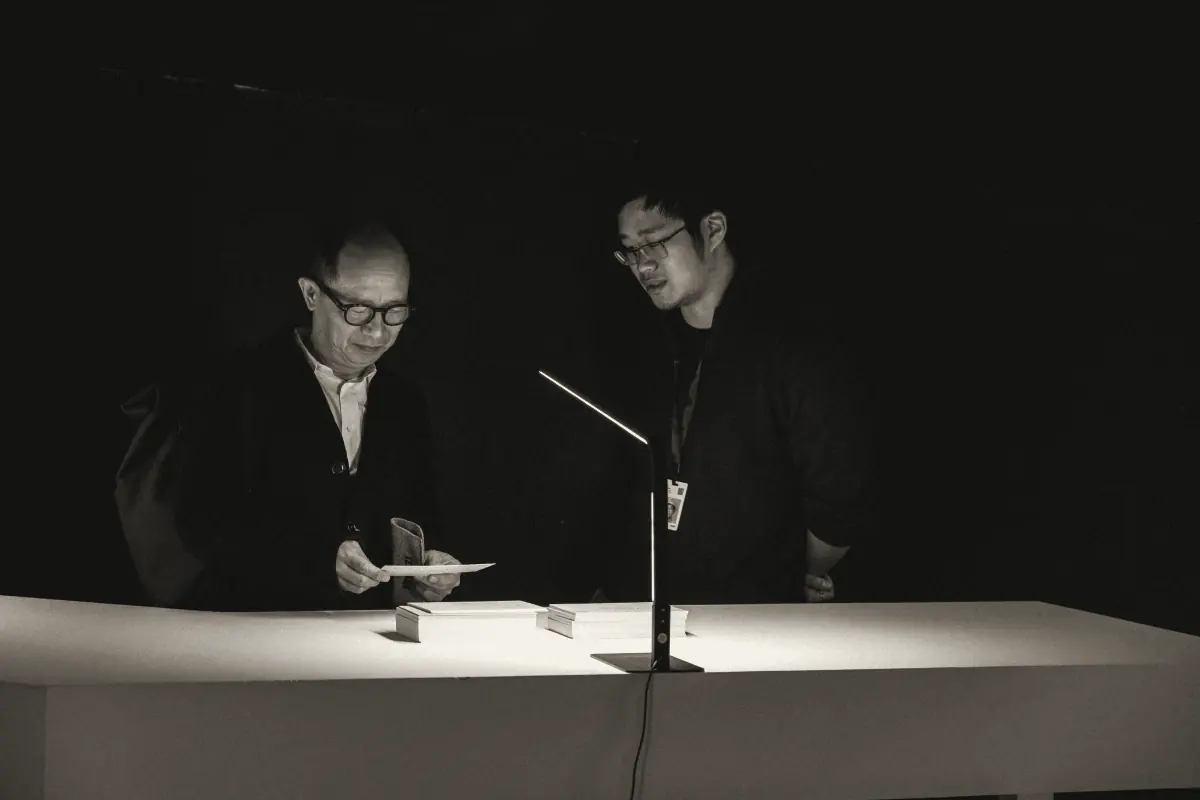
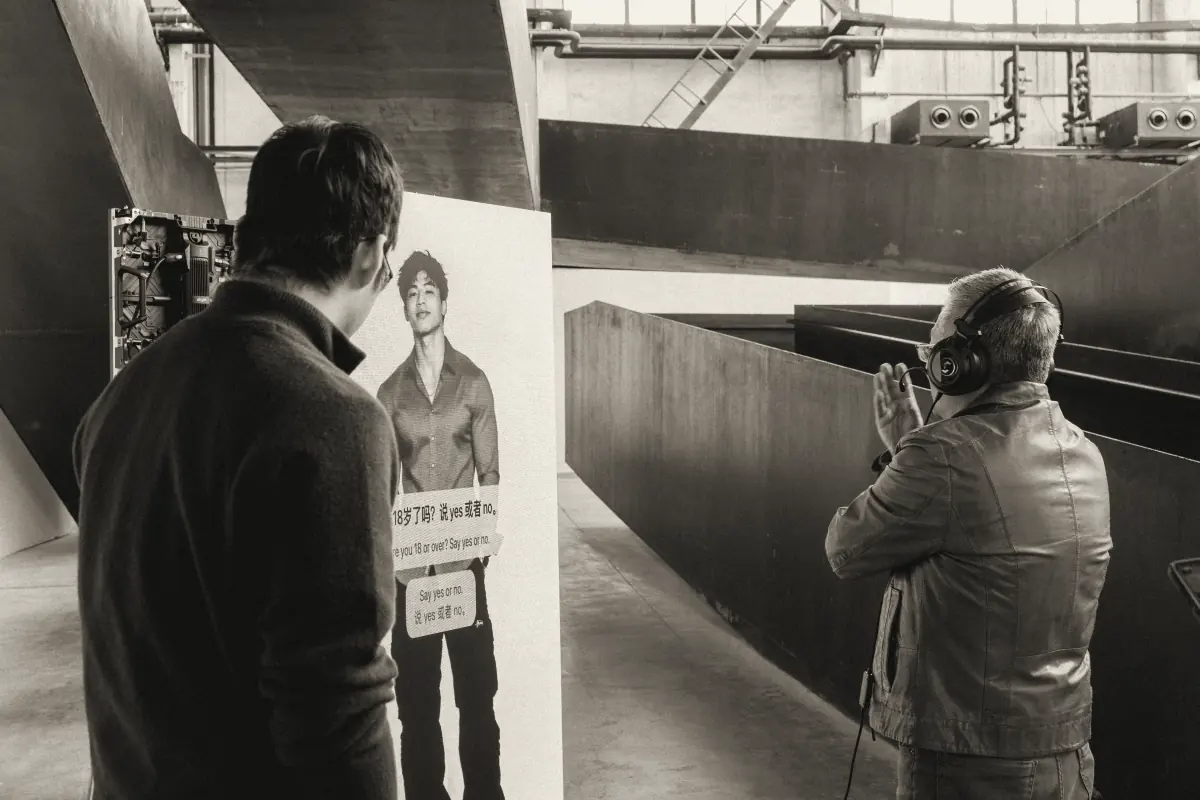
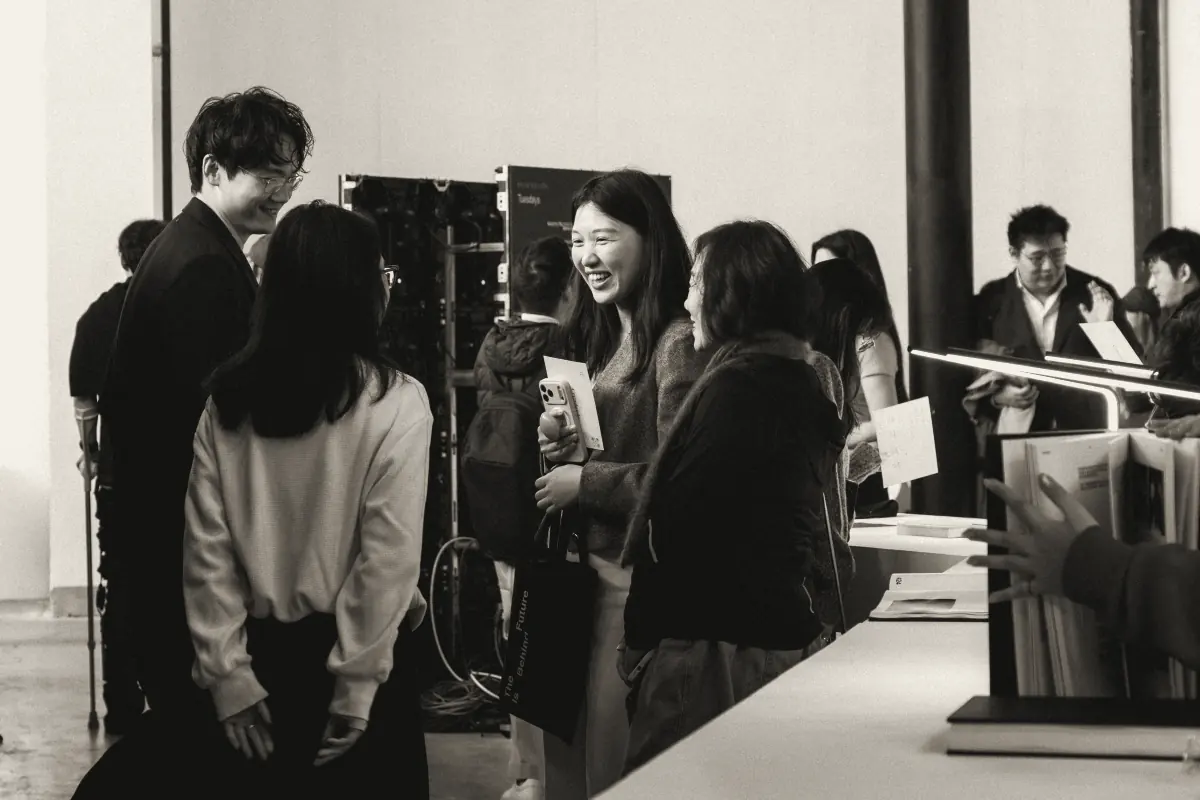
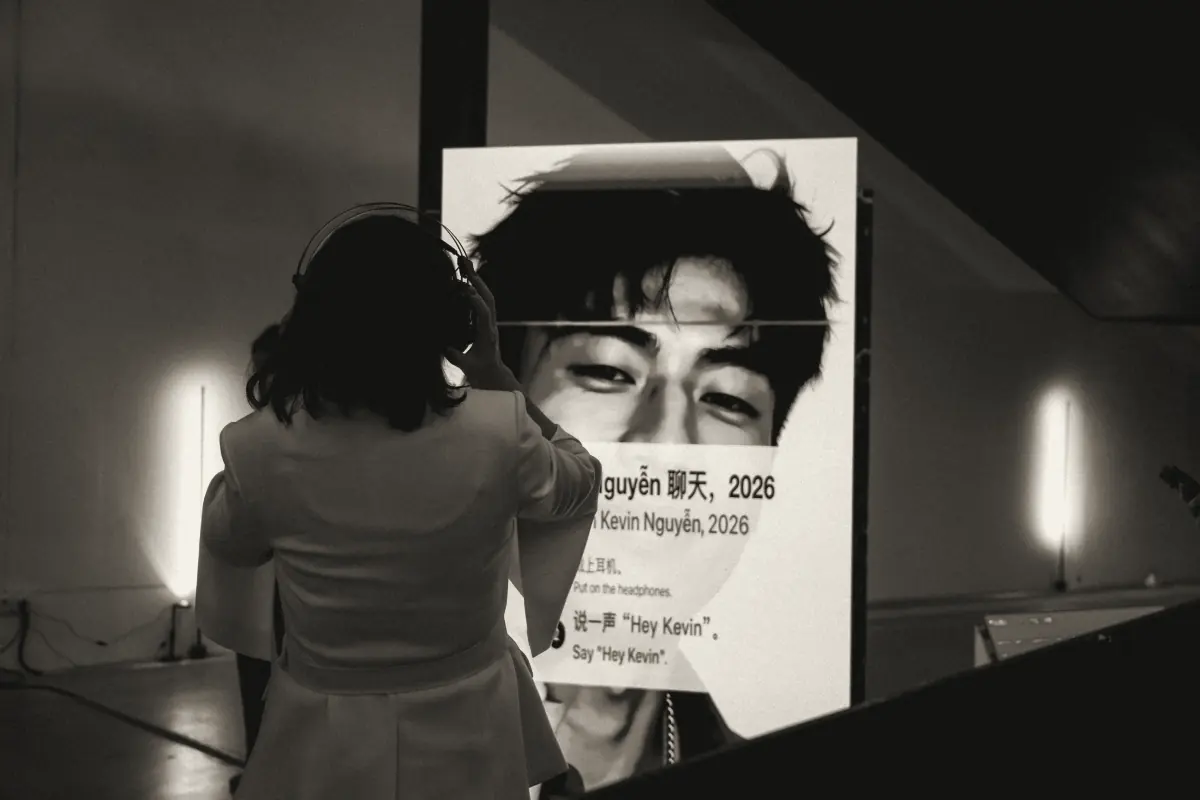
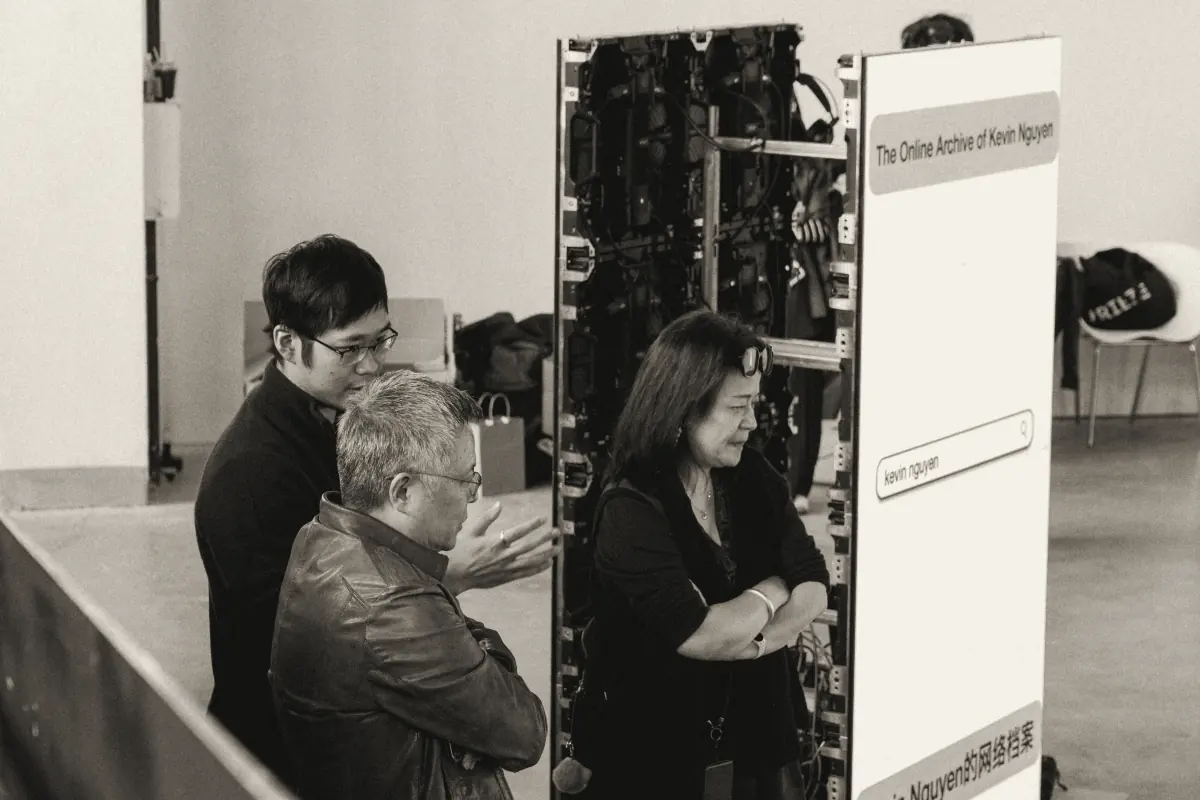
West Bund Art & Design, Shanghai · November 2026 · Booth PA08
What the fair showed
ما أظهره المعرض- 01
A community’s own material, seen again
Kevin was never one person. He is what a diaspora made of itself online over the years, in jokes, pictures and stories. In the booth that scattered material stood up as someone you could speak to, and visitors gathered round to speak to him.
- 02
Whose idea is it?
The second work puts Kevin’s unfinished stories on a screen and lets visitors take them. Nobody could say for certain whose they were: his, the artist’s, the tool’s, or the reader’s. The question of authorship and ownership in an age of AI was asked in public, with a work to point at.
- 03
Three kinds of people at one table
Two founders, an artist and a curator made one work; a fair gave it a public; what the public said became part of the work’s memory. Those who build technology, those who make culture and those who came to look were in one room, each needing the other two.
Builders 2026
Everlasting AI
Extending the life of human memory
Builds AI-powered digital twins from your memories, experiences, and life context, creating an evolving representation of who you are.
Xiaoben is the founder of Everlasting AI. He holds bachelor’s and master’s degrees in Philosophy from Nanjing University, and his research spans the philosophy of artificial intelligence, AI4Science, and Whole Brain Emulation (WBE). Working from a foundation in philosophy of language alongside existing technological approaches, he is developing a theoretical framework for mind uploading that brings these fields into conversation. His paper “The First Paradigm of Consciousness Uploading: Mechanisms of Consciousness Evolution in the AI Axial Age and a Prospect toward Web4” was one of the two Chinese-language winners of the 2025 Berggruen Prize Essay Competition. Alongside his research, Everlasting AI has been selected for the NVIDIA Inception program. He is also a co-founder of Nanckathon and the NJU Founders Club.
Builders 2026
Creader
Thinking, made visible
An AI-powered writing companion that helps you map, organize, and develop your thoughts into structured writing.
Tim is an AI systems architect and founder of Creader.io, working across technology, cognitive research, and complex systems. With a background in High-Performance Computing from the University of Edinburgh, he previously served as Infrastructure Partnership Lead at Story Protocol and Head of DevRel at FLock.io. His work today focuses on developing new forms of cognitive research and storytelling infrastructures.
West Bund Art & Design
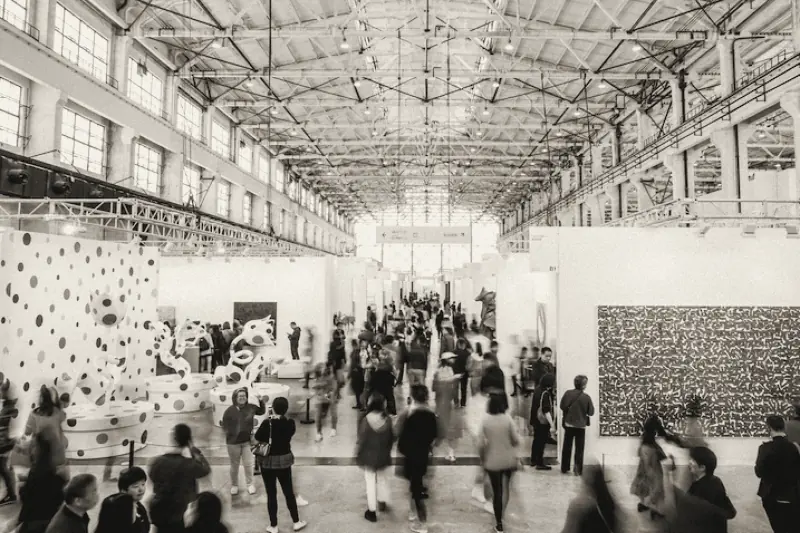
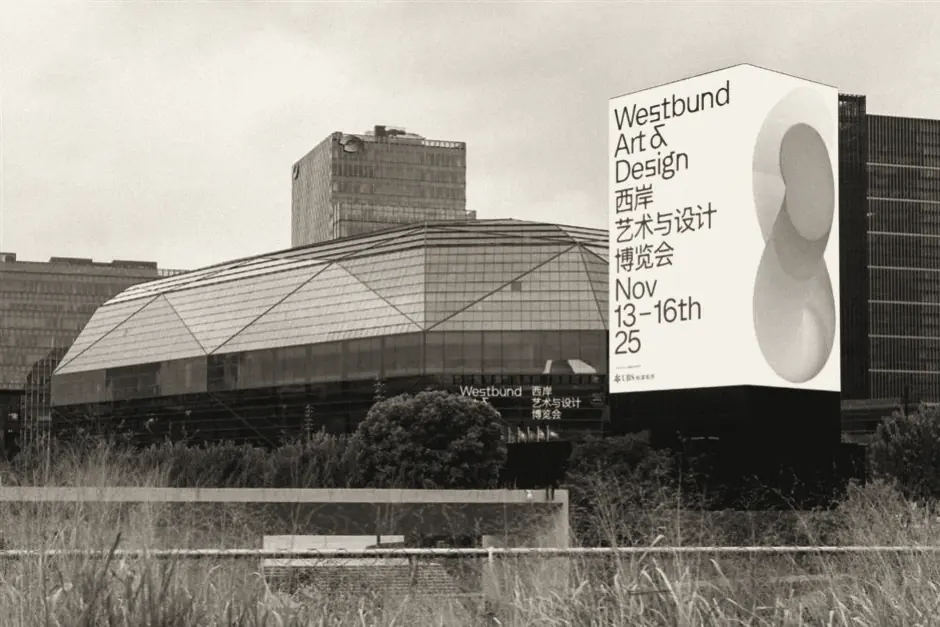
West Bund Art & Design was founded in Shanghai in 2014 and takes place every November. What began in one hall has grown into a run of venues along five kilometres of the Huangpu River, with the West Bund Art Center and the West Bund Dome at its centre and the museums of the West Bund cultural corridor around it. For one week the galleries, collectors and institutions of the city, and many from abroad, gather here; the 2025 edition was the twelfth.
We first showed at West Bund in 2025, in VAC’s booth, where Issue No. 2 of the Journal was launched. In 2026 we return with the Builders we back.
- Founded
- Shanghai, 2014
- Held
- Every November
- Venues
- West Bund Art Center, West Bund Dome and others along the river
- Editions
- Twelve by 2025